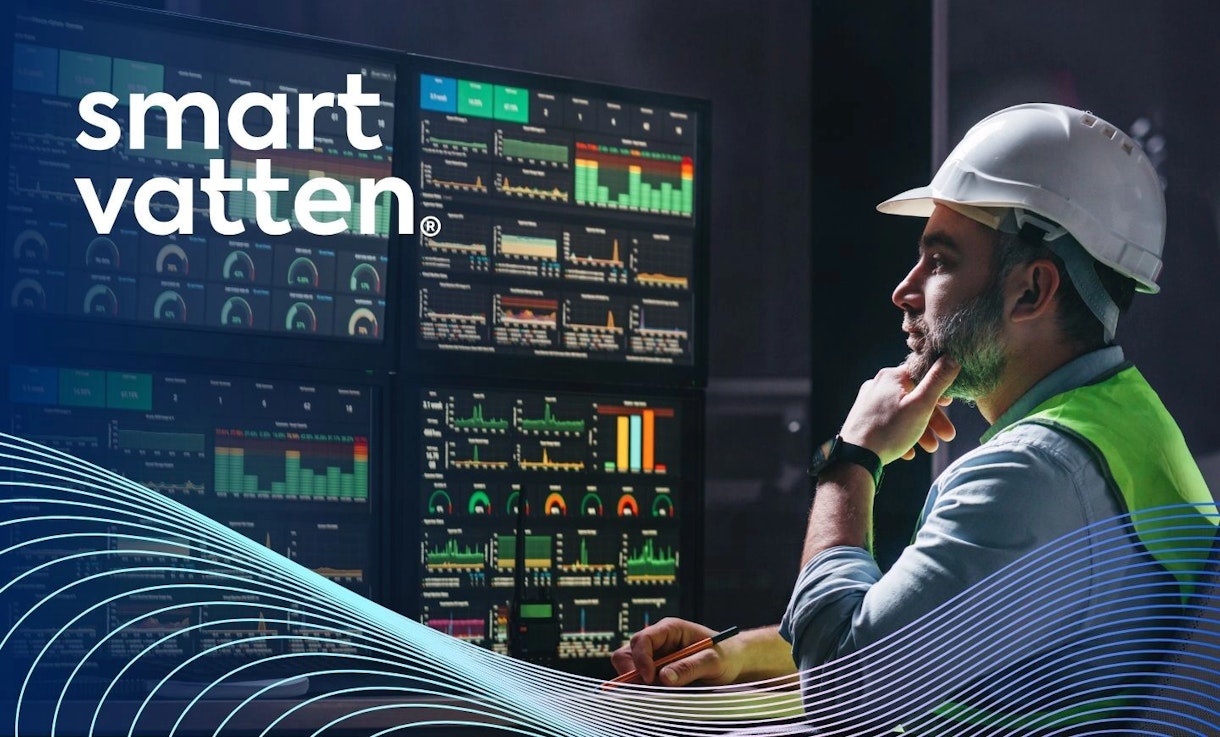
In the water utilities sector Supervisory Control and Data Acquisition (SCADA) systems are the backbone of real-time process control, ensuring smooth operations across various sectors. However, while SCADA systems excel in monitoring and controlling critical processes, it’s essential to recognize their limitations when it comes to data analytics. Here, we explore the pitfalls of relying solely on SCADA systems for data analytics and the importance of adopting a holistic approach.
Traditional SCADA systems are primarily designed for real-time monitoring and control, not for advanced data analysis. They often lack sophisticated statistical analysis tools, machine learning algorithms, and predictive modeling capabilities. This limitation restricts the ability to uncover complex relationships, trends, and patterns within the data. Advanced analytics are crucial for making informed decisions, optimizing operations, and anticipating future issues. Without these capabilities, organizations may miss out on significant insights that could drive efficiency and innovation.
SCADA systems often face hurdles when integrating with external data sources like enterprise databases, IoT devices, and other third-party platforms. This lack of seamless integration hampers the ability to leverage diverse datasets for comprehensive analysis. Informed decision-making requires a holistic view of all relevant data, which is difficult to achieve if SCADA systems cannot easily interface with other data sources.
As data volumes grow and operational complexities increase, SCADA systems may struggle to efficiently handle large-scale data analytics tasks. Scalability limitations can lead to data processing and analysis delays, impacting the timeliness and effectiveness of decision-making. Modern industrial operations generate vast amounts of data, and systems must be capable of scaling to accommodate this growth without compromising performance.
Often, access to SCADA systems is restricted to control rooms, with only a few engineers having access. This limited accessibility makes it challenging for planning engineers and other stakeholders to access relevant information. Effective data analytics requires that insights be accessible to all relevant personnel, not just a select few. This can hinder collaborative decision-making and operational planning.
SCADA systems rely on sensor data collected from various devices within industrial environments. However, data quality issues such as sensor inaccuracies, communication failures, or calibration errors can compromise the reliability and accuracy of the data. Poor data quality can lead to erroneous analysis results, potentially leading to misguided decisions and operational inefficiencies.
Incorporating data analytics functionalities within SCADA systems may introduce additional security vulnerabilities if robust cybersecurity measures aren't in place. Cyber threats targeting SCADA systems pose significant risks to operational continuity and system security. The integration of data analytics requires careful consideration of cybersecurity to protect against potential threats that could compromise sensitive data and critical infrastructure.
To unlock the full potential of data flow, it is essential to complement SCADA systems with dedicated data analytics platforms. Service provider like us, Smartvatten and our software Smartvatten Neuro, offer advanced analytical techniques, integration capabilities, and robust cybersecurity measures. By embracing these technologies, organizations can enhance their decision-making capabilities, improve operational efficiency, and drive innovation.
For water utilities today adopting a holistic approach to data analytics is crucial. Leveraging the right tools and technologies allows organizations to harness the power of their data effectively. This approach drives business growth, innovation, and competitive advantage. By recognizing the limitations of SCADA systems and integrating advanced data analytics platforms, industries can ensure they stay ahead in an increasingly competitive landscape.
In conclusion, while SCADA systems are invaluable for real-time process control, they fall short in the realm of data analytics. Addressing these limitations through complementary technologies and a holistic approach to data analytics can significantly enhance operational efficiency and strategic decision-making. Together, we can drive innovation and achieve new heights of success in the industrial sector.
Want to know how to enhance your utility operations with data analytics? Learn more about our cybersecure analytics solutions.
Related articles
See all articlesNIS2 and the connected water ecosystem
Preparing water utilities for a new era of cybersecurity requirements
Smartvatten strengthens information security with ISO 27001 certification
Cybersecurity in the cloud: Protecting our water infrastructure for the future
Guest column: Digitalisation is cooperation